A friend of mine decided to make a big life change, gigantic, actually; sell her house in Austin, buy an RV, drive it to Alaska, work at a campground on the Kenai Peninsula for the summer, and then move to Vermont. And what does any of this have to do with me, you ask? I will explain…
She’s a very good long-ago friend and former step-sister (our parents were married when we were in junior high and a couple of years of high school). We hadn’t been in contact in years (decades?), but then my father passed away. She came to his celebration of life and we reconnected. I never would’ve guessed that fewer than two months later I would be riding shotgun (that means sitting in the front passenger seat for you non-Texans) with Rana at the wheel of LuLu, her new (to her) RV heading to Anchorage, Alaska.
She had a week or two window when she would depart Austin, so I headed to Scottsdale where Don was working and bided my time until she was ready. She was 850 miles into her 4,000+ mile drive when I met her in Colorado Springs, Colorado on Friday, May 20, 2022.
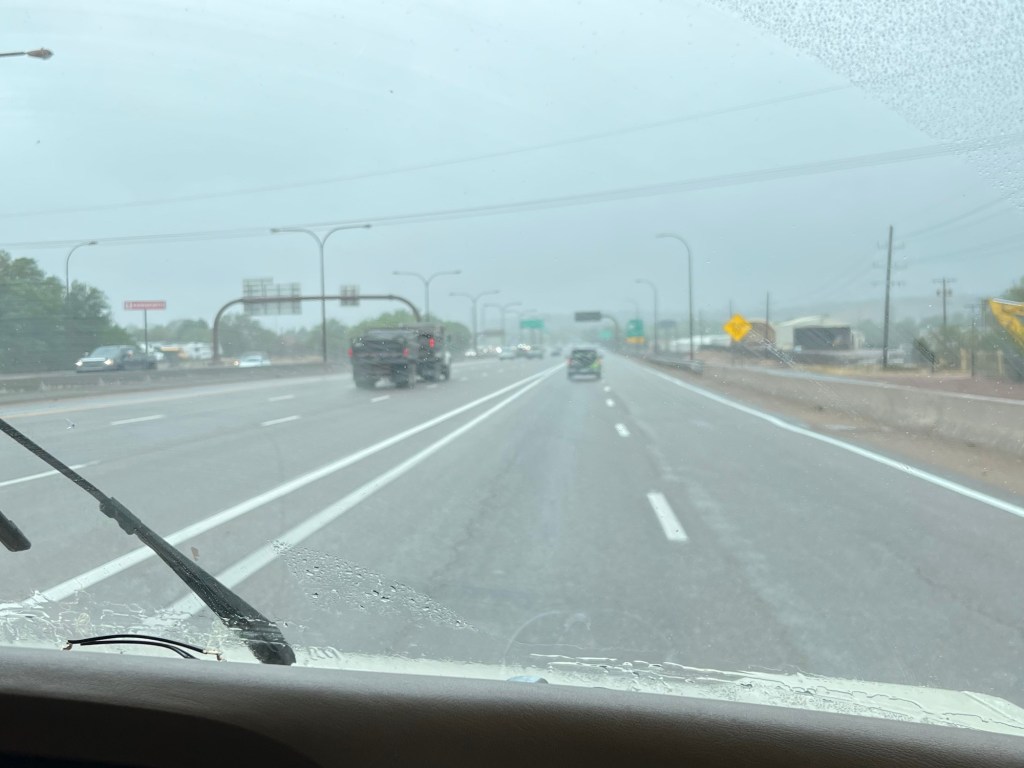
We encountered some of the worst road conditions our first day just outside of Denver. It’s not easy driving anything on winter roads with blowing snow, much less a medium sized RV, but “we” went slow and continued northward. I put “we” in quotation marks because she did most of the driving. I filled in as a relief driver when needed.
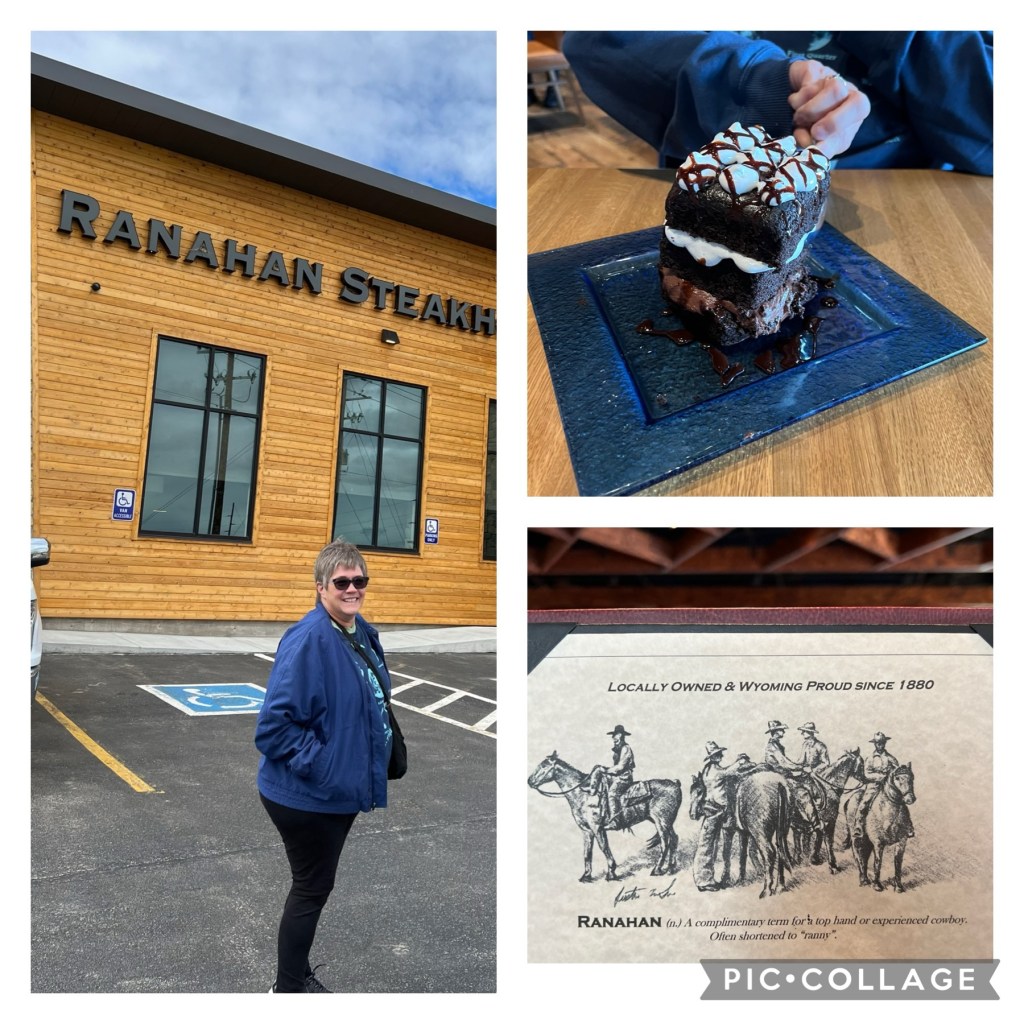
I thought Ranahan Steakhouse was a great place for my friend, Rana, and me to stop for an early dinner. A delicious salad bar with cold crisp lettuce, entrées and a gorgeous chocolate cake was a perfect way to celebrate our first day on the road.
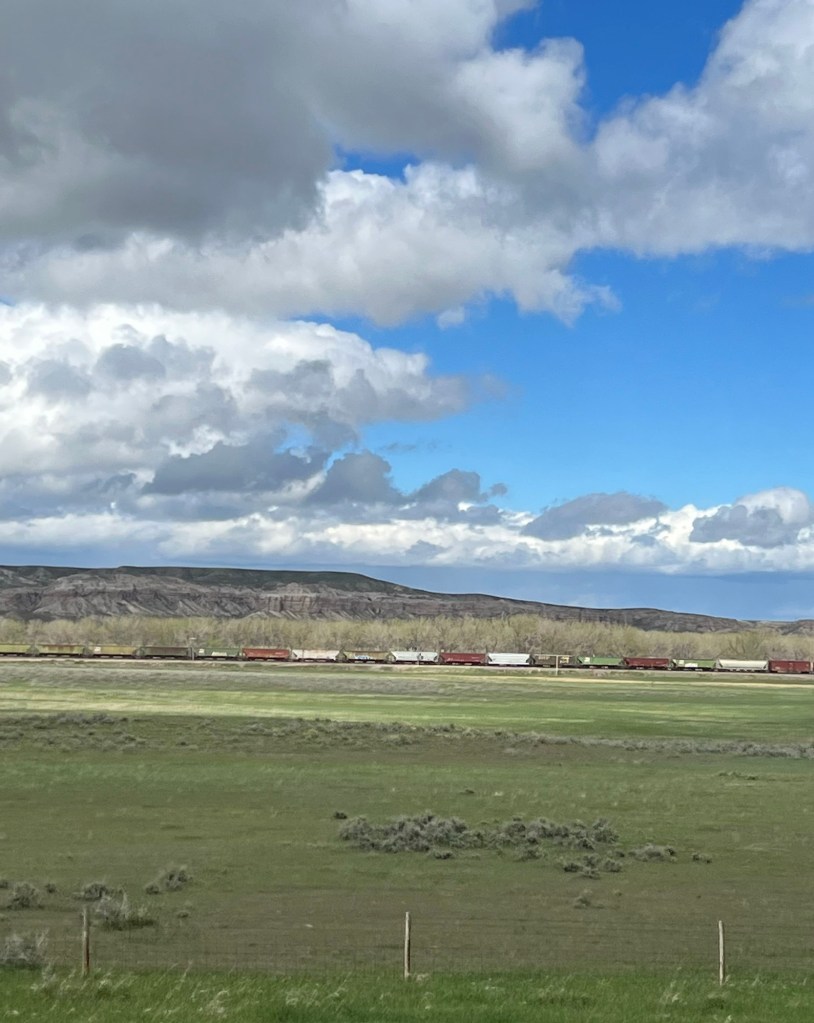
The next day we continued driving through Wyoming and stopped in Great Falls, Montana, just shy of the Canadian border. The town is called Great Falls because of the falls of the Missouri River before it was dammed for electrical power. When Lewis and Clark made their cross-county journey, they could hear the falls seven miles away.
For more information see: https://www.nps.gov/articles/the-great-falls-according-to-lewis.htm
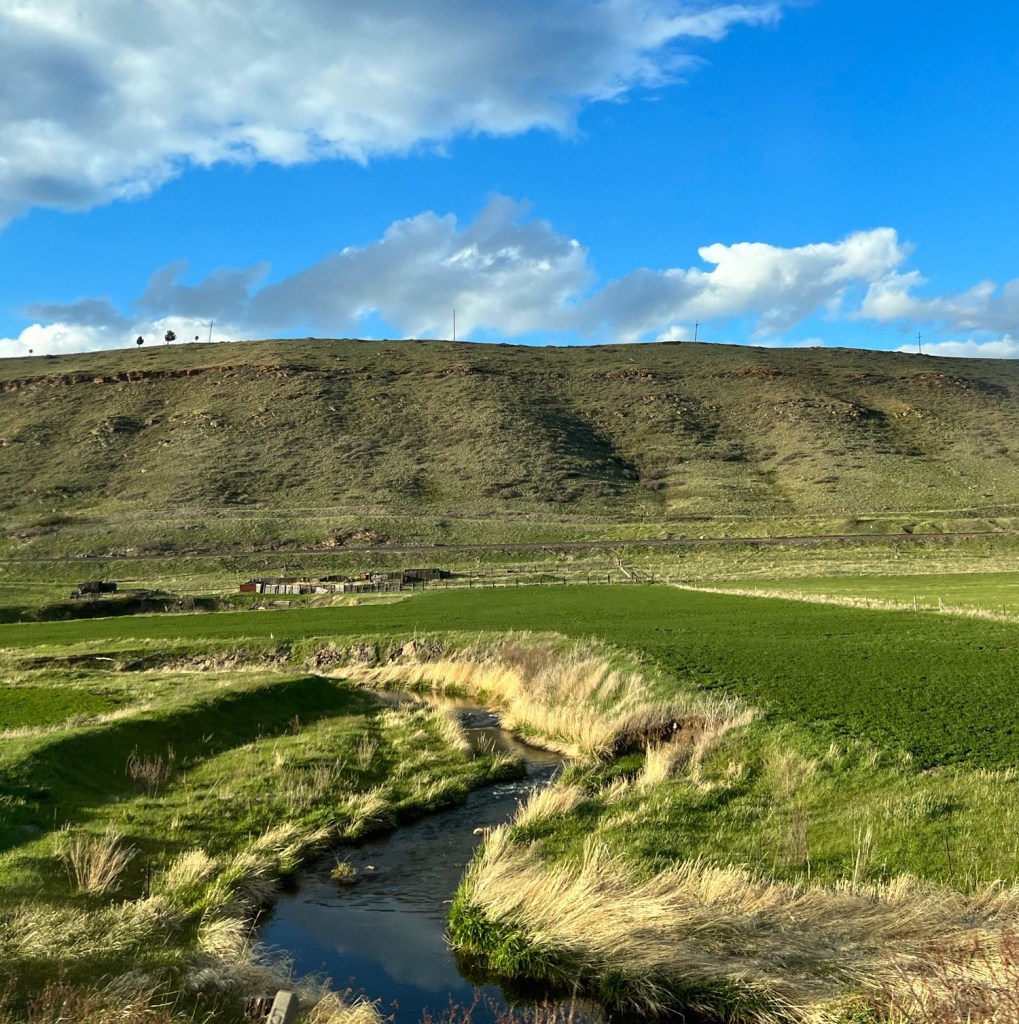

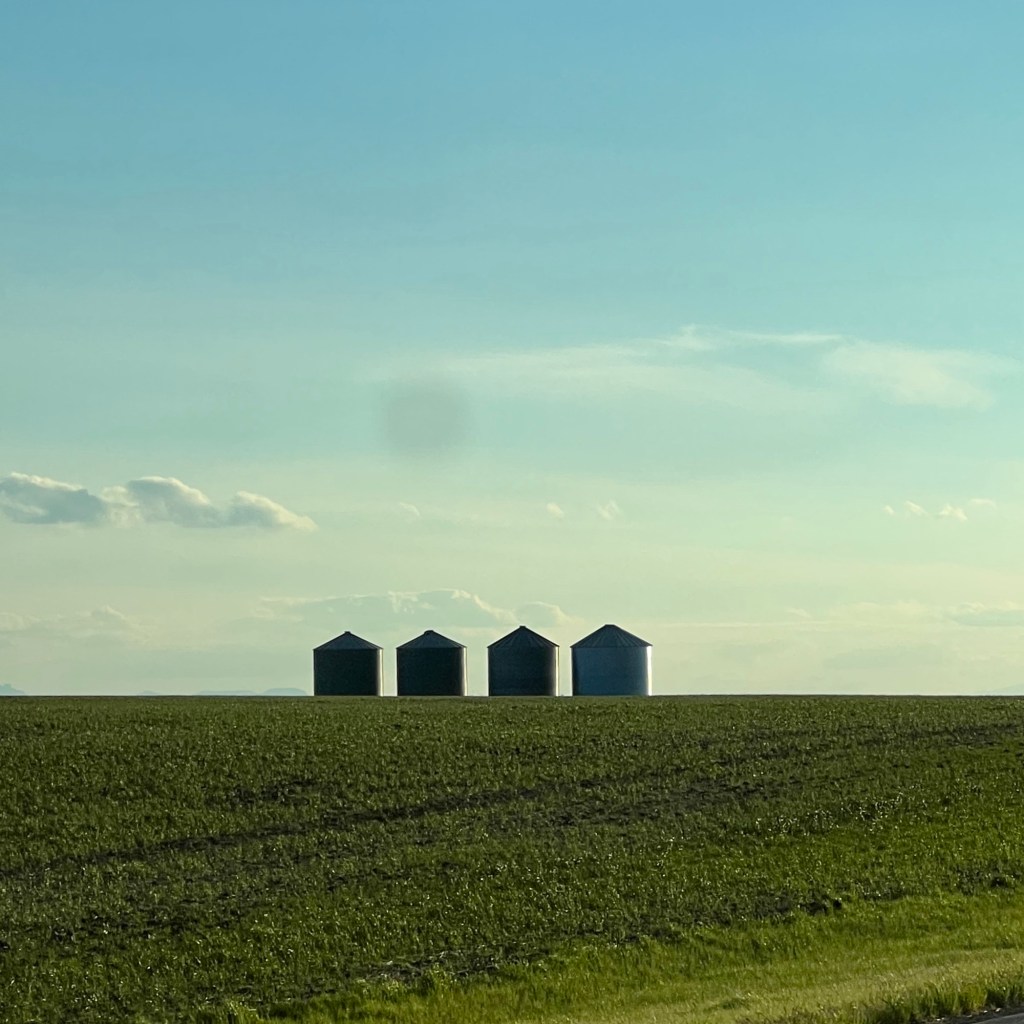

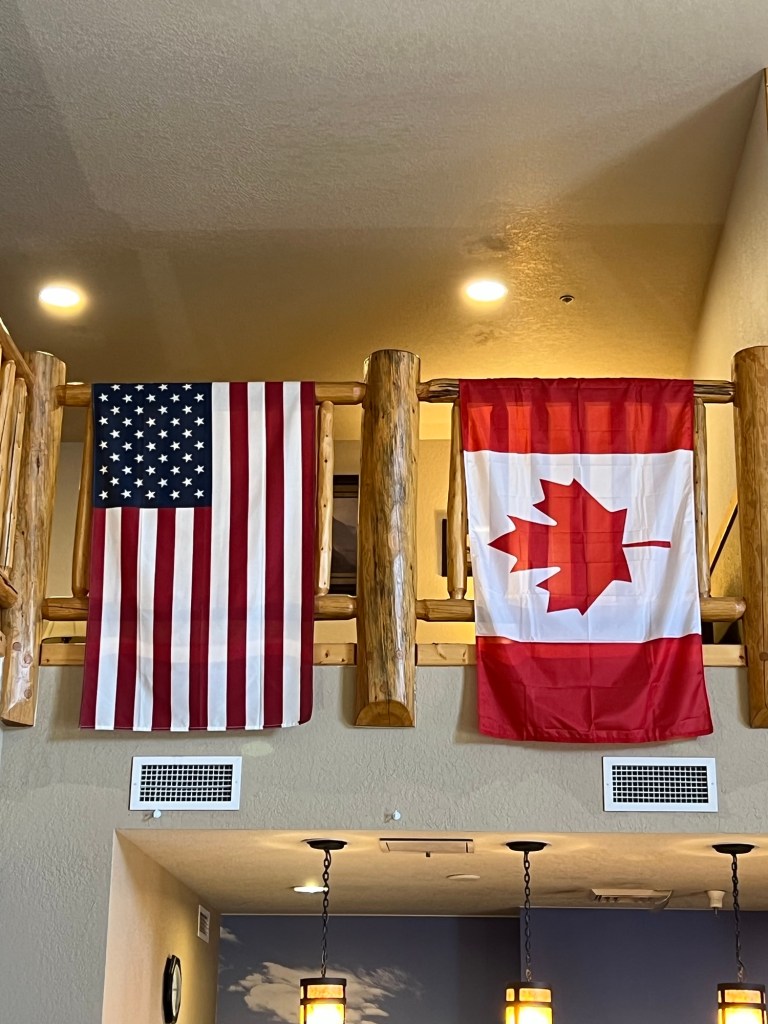
Our third day on the road started with a slow border crossing. Once we were on our way again, we made good time. Beautiful images of Calgary from a distance and a lot of rural land was the highlight of this day.
Alberta is one of Canada’s “prairie provinces”. Its capital city is Edmonton and its primary commodities are wheat, oil, and beef. The upper two-thirds of the province are sparsely populated and consist of lakes, rivers, and forests.
Although we didn’t go to many restaurants, in the cities of Alberta, one can find French, Greek, Japanese, Scandinavian and Ukrainian cuisine. The variety of foods reflects the wide range of ethnicities which call the province home.
We stayed the night in Blackalds/Red Deer, Alberta near Gasoline Alley before continuing on our journey.


The fourth day we passed through more of Alberta, saw Edmonton from its loop around the city, entered British Columbia, and started on the Alaska/Canadian Highway. The 1,520 mile Alcan is the only access to Alaska’s highways from the lower 48. The highway connects Dawson Creek, British Columbia with Delta Junction in Alaska. To learn more about how President Roosevelt and 10,000 men built a primitive rendition of the highway in less than 9 months click on the link below.
https://www.pbs.org/wgbh/americanexperience/features/alaska-building/
British Columbia is known mostly for its western cities along the Pacific Coast, Canadian national parks and its ski resorts. We were in the sparsely populated northeastern part of the province passing by the Northern Rocky Mountain Park and Muncho Lake Park.
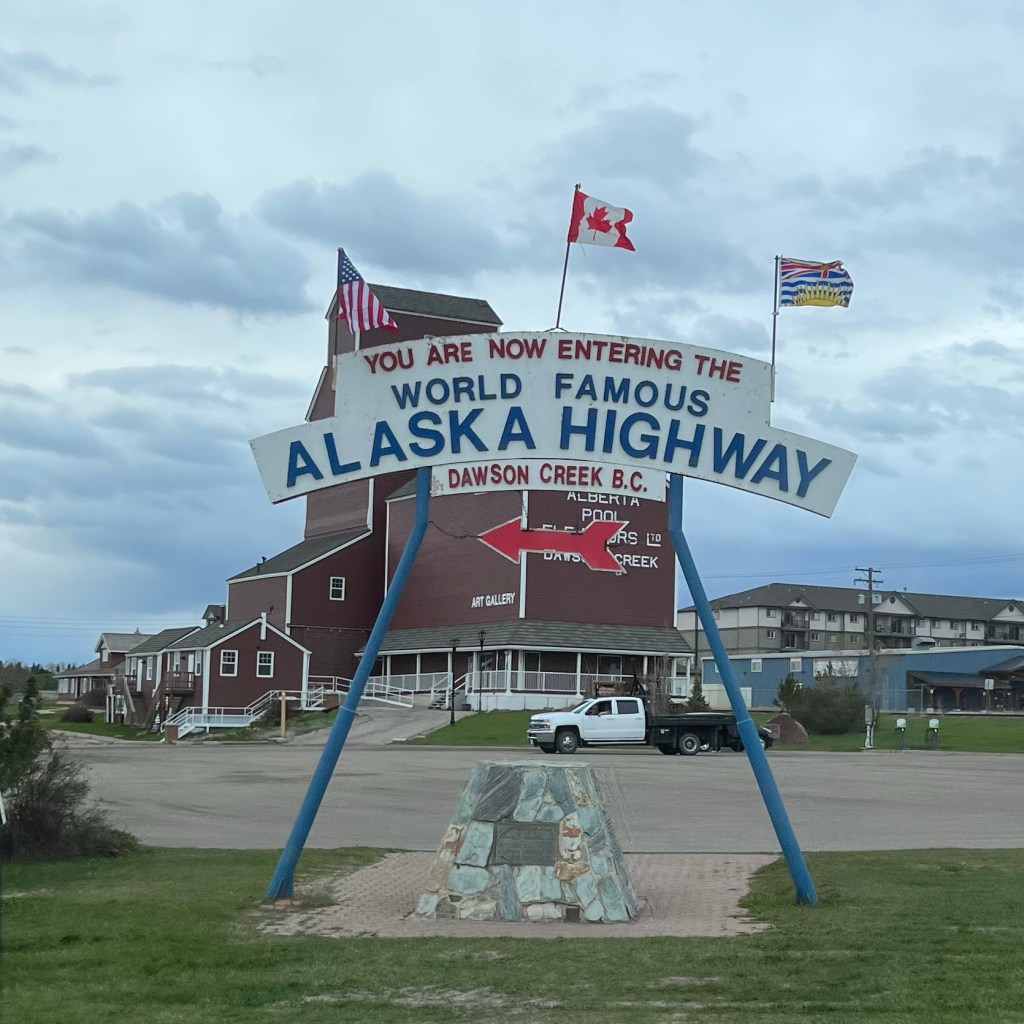

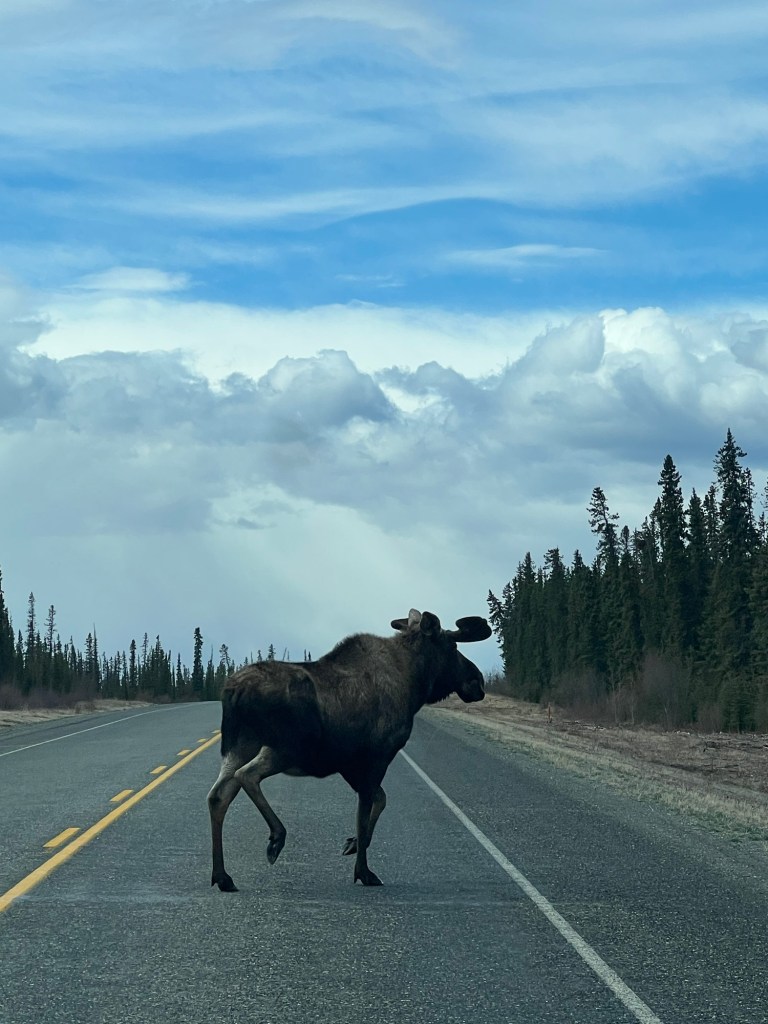
After staying in Fort St John, British Columbia the previous night, on the fifth day we continued driving along the Alcan. We would end up driving 827 miles in one day staying the night in Whitehorse, Yukon Territory. Gorgeous views, lots of wildlife and a chance encounter with a Mainer were the highlights of this day.
Canada has 10 provinces and 3 territories. The territories are all above the 60° latitude line and west of Hudson Bay. All three territories have approximate the same number of people (all between 37,000 and 41,000 people), but the area is quite different. Yukon Territory is the smallest at 186,000 square miles. Northwest and Nunavut Territories come in at 519,000 square miles and 808,000 square miles respectively. For comparison, Texas’s total area is 268,000 square miles. We stayed in Whitehorse which is the capital of the Yukon Territory and has 70% of its population. Guinness World Records named Whitehorse the city with the least air pollution in the world. Now that’s a statistic to be proud of!
During one of the few stops we made to take in the views we met a man who was moving from Rockland, Maine (Glen Cove, actually) back to Alaska. He and his wife had lived on the East Coast for a handful of years while he worked at The Apprenticeshop. She was pregnant, so they decided to head back home to Alaska; he pulling their boat with their friendly black lab across the US and Canada, and she flying and getting the house set up. I’m certain I could’ve found people we knew in common, but didn’t have time. We chatted about Camden and Rockport, and of course, Walker Park. It was hard to imagine meeting someone in the Yukon Territory who knew about the small town where I had lived thousands of miles away. He took a couple of photos of us, we bid each other well, and we were back on the road.
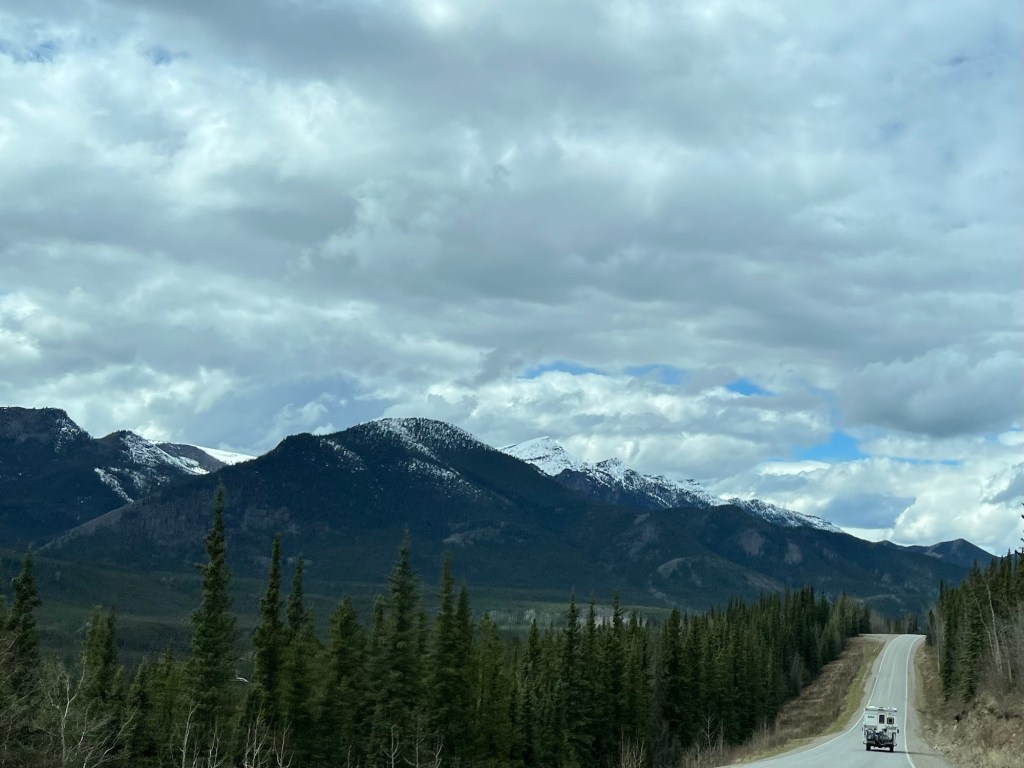

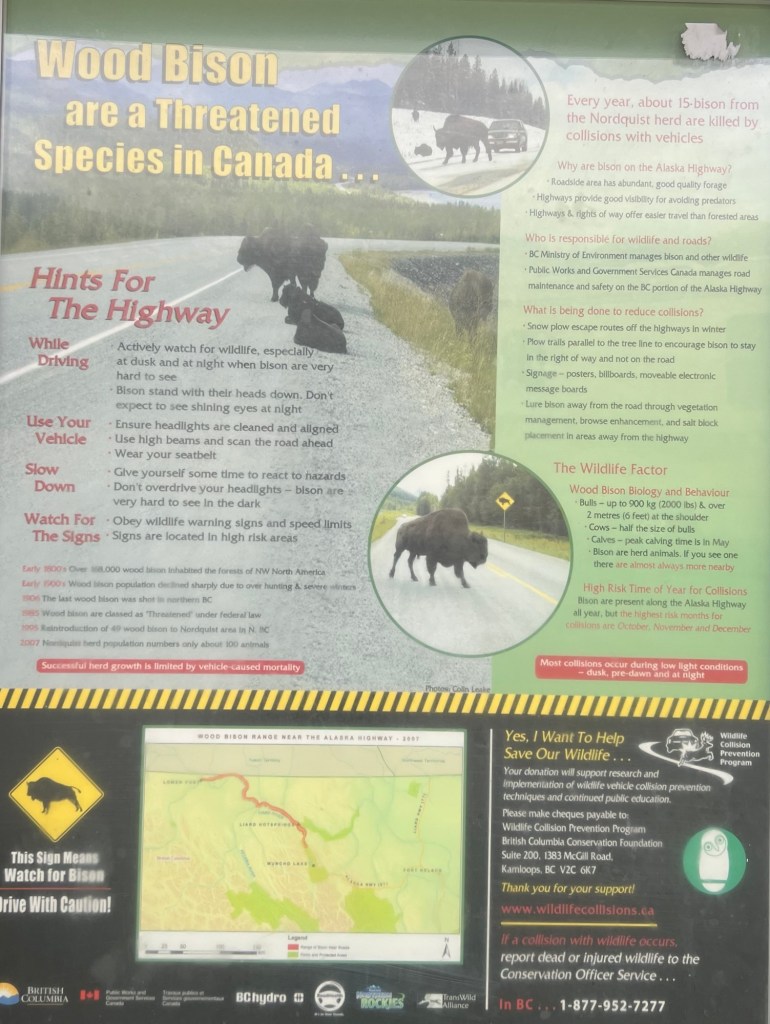


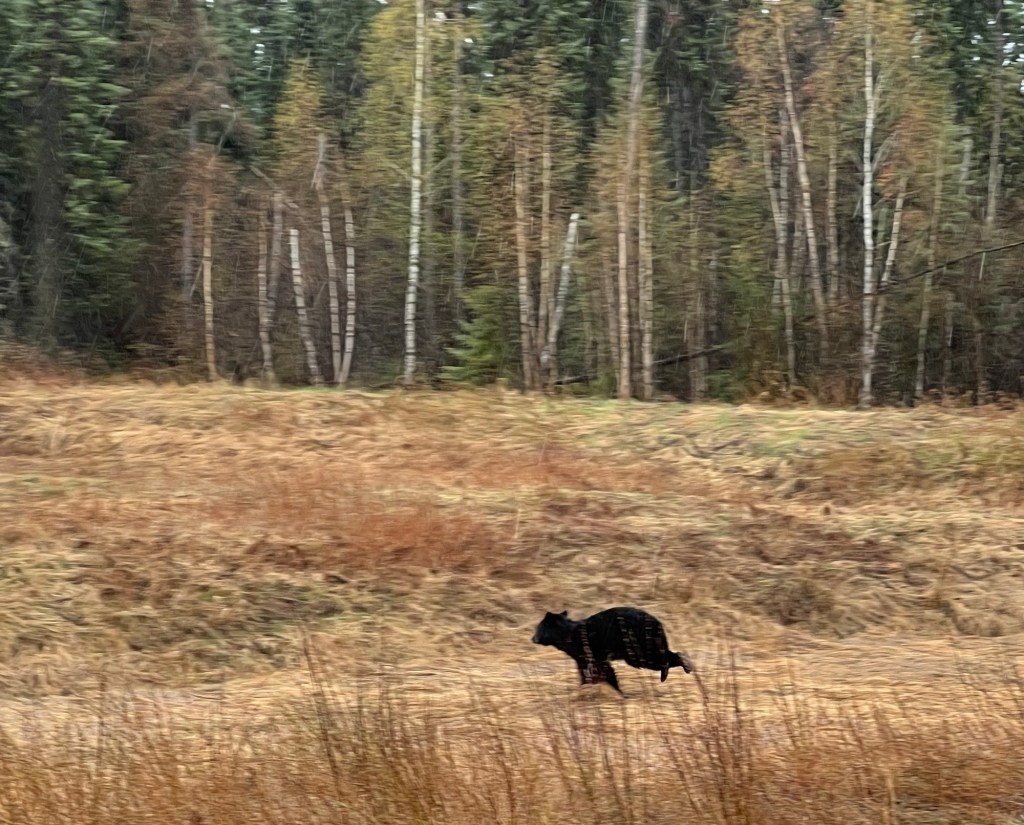
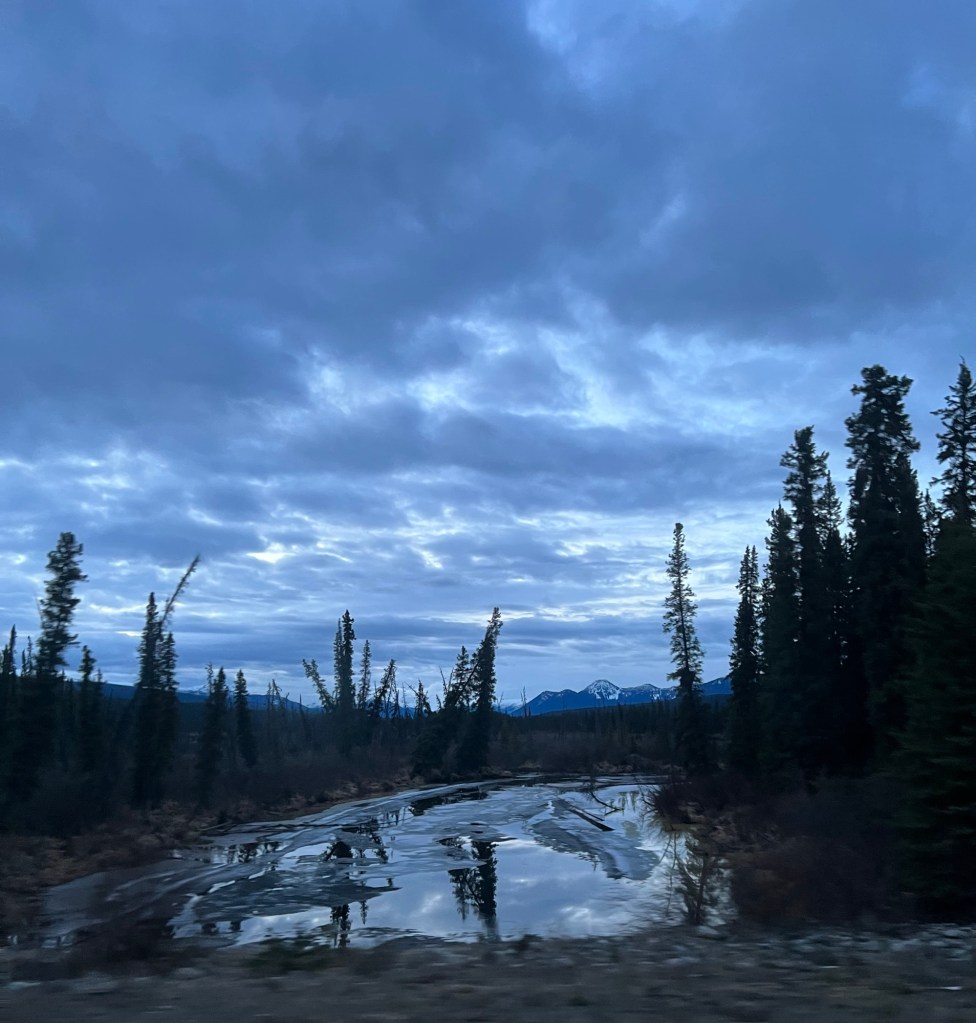
On the sixth day we made it to Alaska. We stayed in Tok, Alaska at a place next door to a diner with an amazing breakfast.

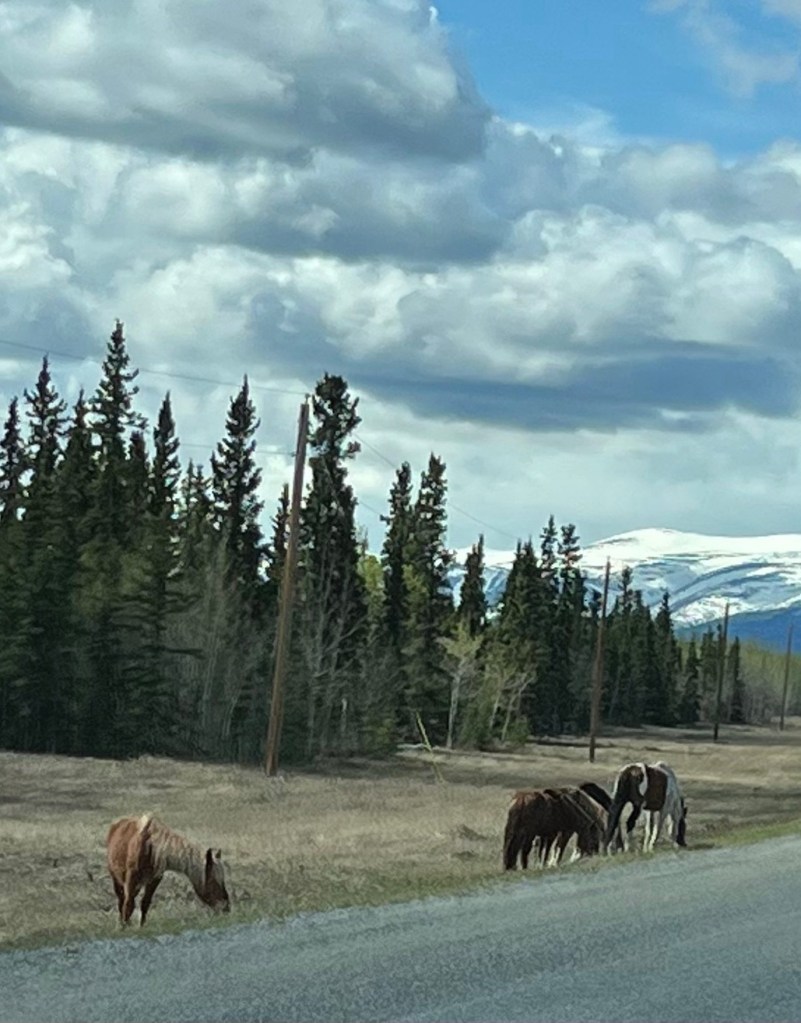
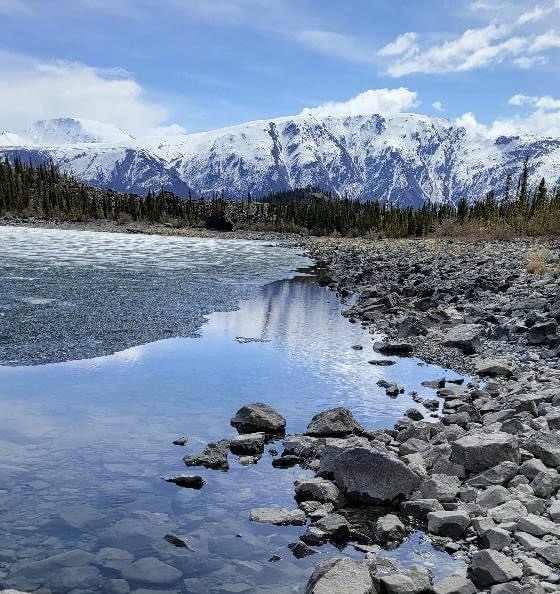
The seventh day was our final day on the road. We made it from Colorado Springs, Colorado to Anchorage, Alaska in a week. Safe and sound.



Thank you, Rana, for a once in a lifetime experience!
 New City New State
I admire your adventurous spirit! So fun to read this post!
LikeLiked by 1 person
You’re the best!💕
LikeLike