I knew I wanted to take a big family vacation for my 60th birthday and had my heart set on Scotland and Ireland. For one reason or another the dates never worked for everyone. The Galápagos was actually my second choice.
Once we decided on our destination, everything fell into place. The dates were chosen, and before long, the cruise line and its route was booked and flights purchased. I was still ambivalent about the trip. Maybe if I learned a bit about the islands, I’d be more excited.
So I bought books and started reading. I had so much to learn. I read about the slow process of introducing a new theory of evolution, birds and their beaks, and the islands themselves. I could not wait to experience what the Galápagos had to offer.
Don and I met the “kids” in the lobby of the Quito airport hotel and started our journey to the Ecuadorian islands. After a stop in Guayaquil to refuel, we finally landed on the island of Baltra. We collected our luggage, boarded the bus, and started the short ride to the port when we had to stop for a land iguana to cross the road. Once moving again, I started taking photos out of the windows. Yep, I was excited!
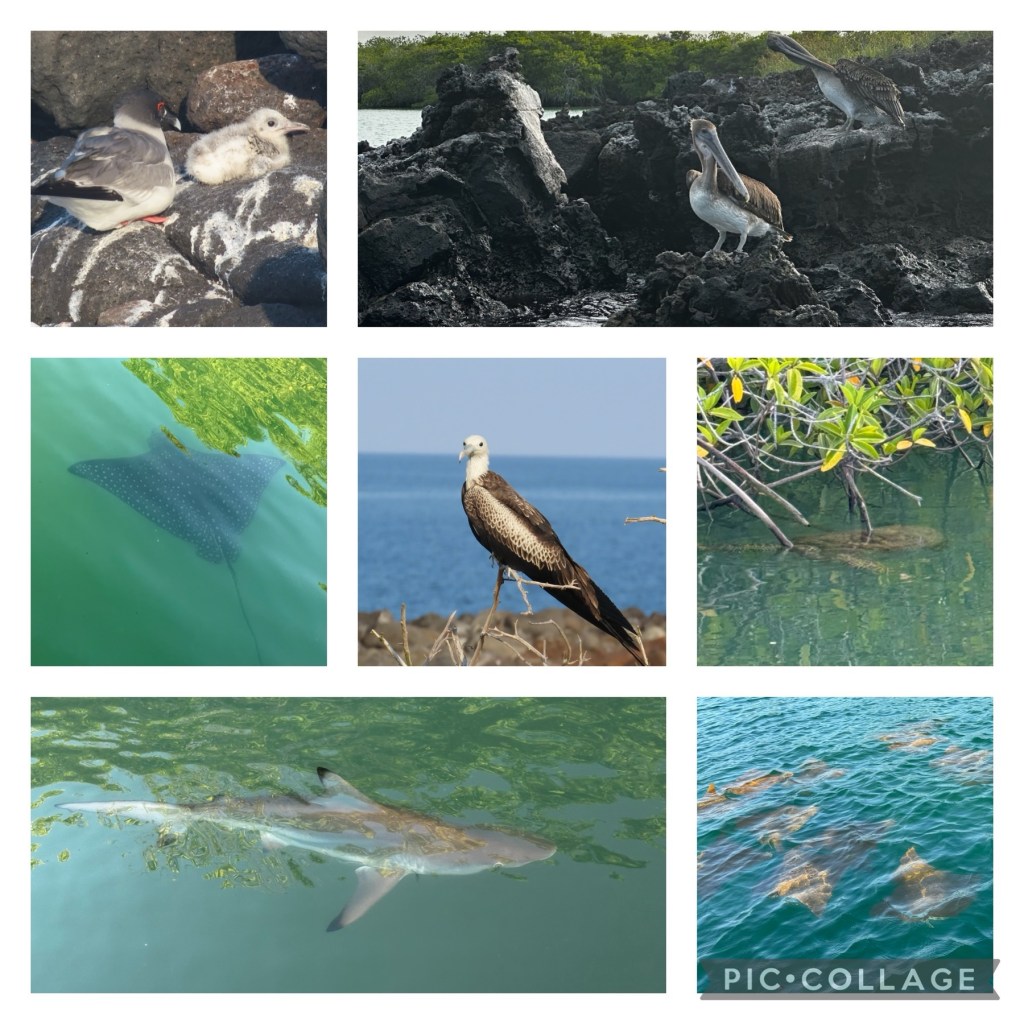
While we were at the dock waiting for the tender to the cruise ship, we spied bright red crabs and gorgeous sunbathing sea lions. Of course, many photos of each. I’m sure the guide who picked us up smiled to himself thinking that we had no idea what our future held. By nightfall we had seen a blue footed boobie, a swallowtail gull and her chick, a school of golden rays, a sea turtle, a female magnificent frigate bird, a spotted eagle ray, a brown pelican and a black tipped shark. This was going to be an experience.
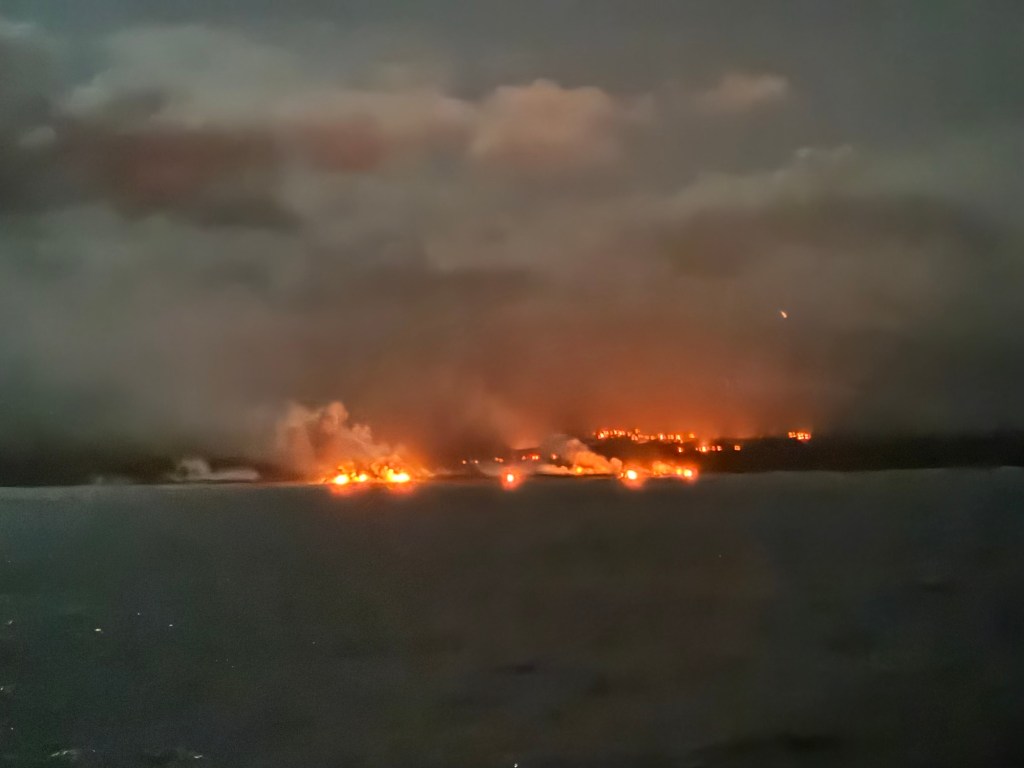
For a bit of background on the Galápagos Islands, they rise up from hot spots on the sea floor where three major tectonic plates meet. The youngest islands to the east clock-in at less than a million years old while the oldest islands in the archipelago to the west are between three and five million years old. There are even older former islands further to the west which have now eroded below the sea level. One night we witnessed the growth of the youngest island, Fernandina, by watching lava flow to the ocean from a volcano on the island.
The archipelago is situated at the confluence of three major Pacific currents and influenced by unusual weather patterns and El Niño. These weather influences have had evolutionary consequences and provide clues about species evolution under changing conditions.
The earliest reported people who landed on the Galápagos Islands found birds and reptiles, but little water and vegetation. The birds obviously flew from a mainland somewhere or drifted up from Antarctica with the Humboldt Current as is the case of the Galápagos penguins. The reptiles probably floated to the islands. The giant tortoises are surmised to have crossed the Pacific Ocean from The Seychelles, the only other place native to giant tortoises.
Several species of tortoises have been decimated because of overhunting for the past several centuries. The sailors realized that giant tortoises were a great food source as they can live for up to a year with little or no food or water. The Charles Darwin Foundation on Santa Cruz Island includes a tortoise refuge which aims to replenish the supply of the remaining species of the signature creature of the Galápagos.
Any mammals on the islands were introduced either intentionally (goats) or unintentionally (rats). Goats have finally been removed from all uninhabited islands. Rats continue to be a problem on certain islands. Those mammals are considered invasive.
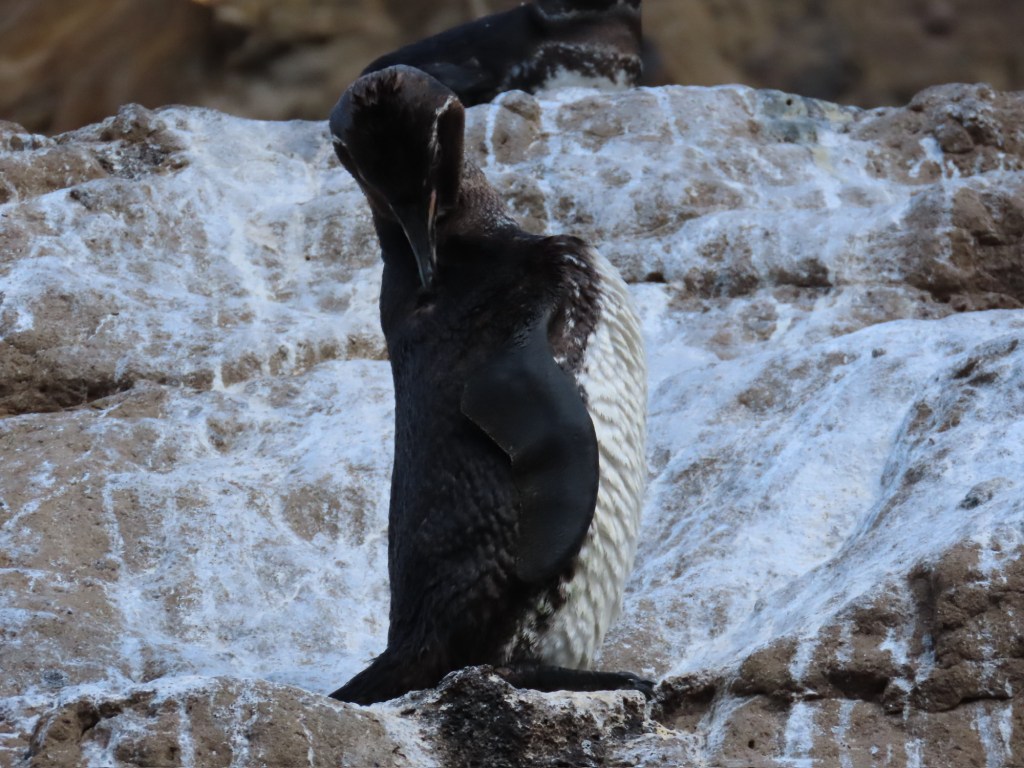
To further discuss classification of species, native ones occur naturally in their environment without human involvement. Endemic species are a subset of native species and occur only in a specific place. Species endemic to The Galápagos include the flightless cormorant, Darwin’s finches, the marine iguana, the giant Galápagos tortoise, and the Galápagos penguin. We were lucky enough to see all of these endemic animals in their natural environment including the flightless cormorant, marine iguana, and Galápagos penguin diving/swimming underwater.

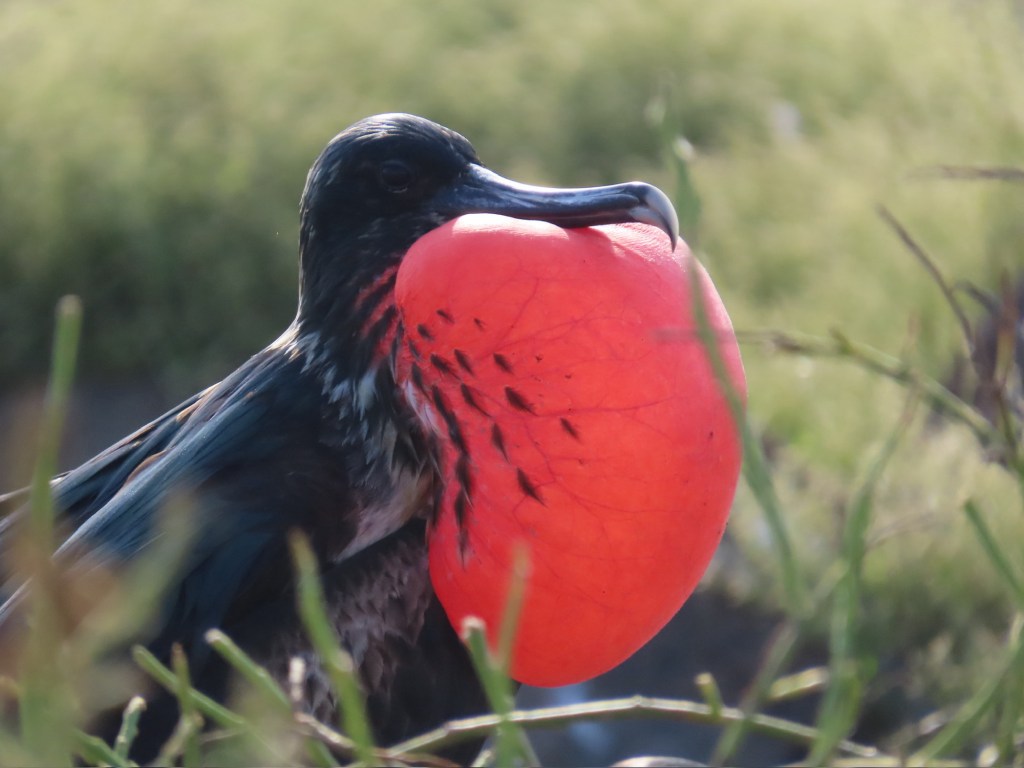
Throughout the week we took hikes, Zodiac tours and snorkeled waters surrounding the islands of Rabida, Santiago, Isabela, Fernandina, Bartolome, Santa Cruz, and North Seymour. Some of the highlights are shown below.

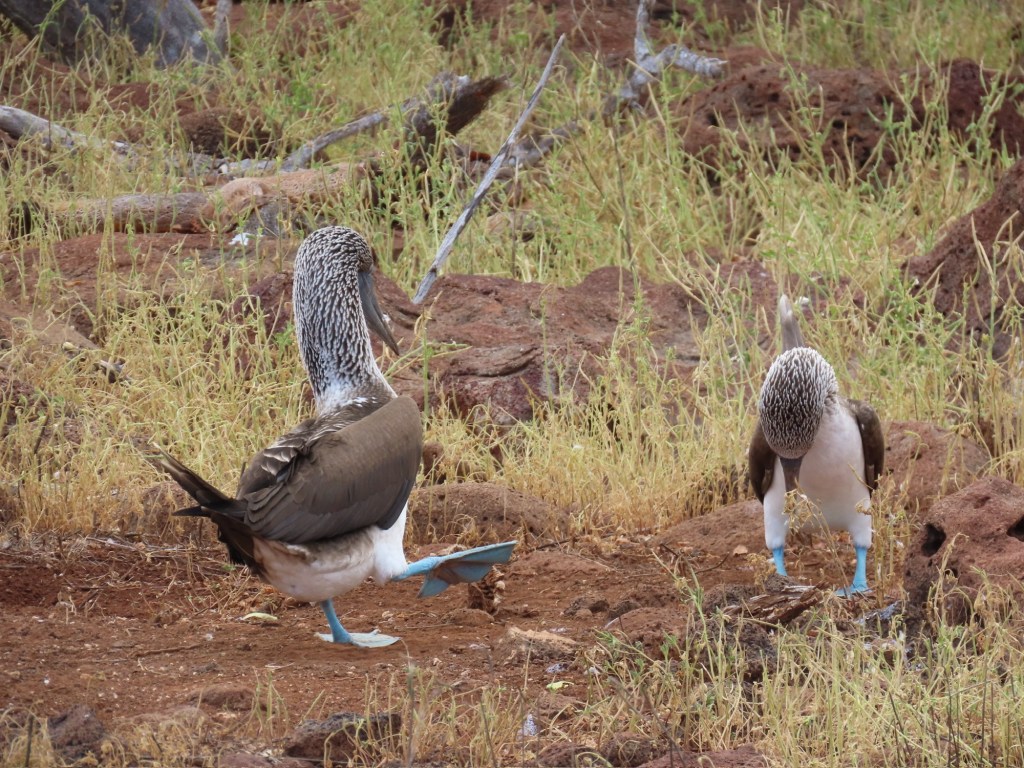
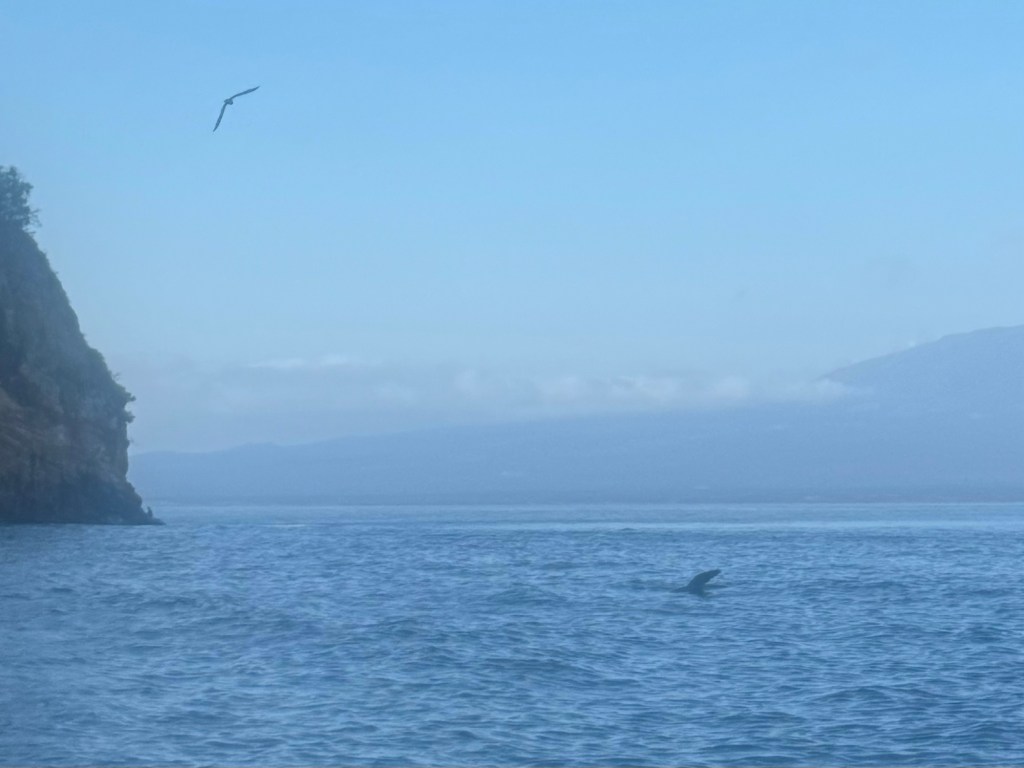


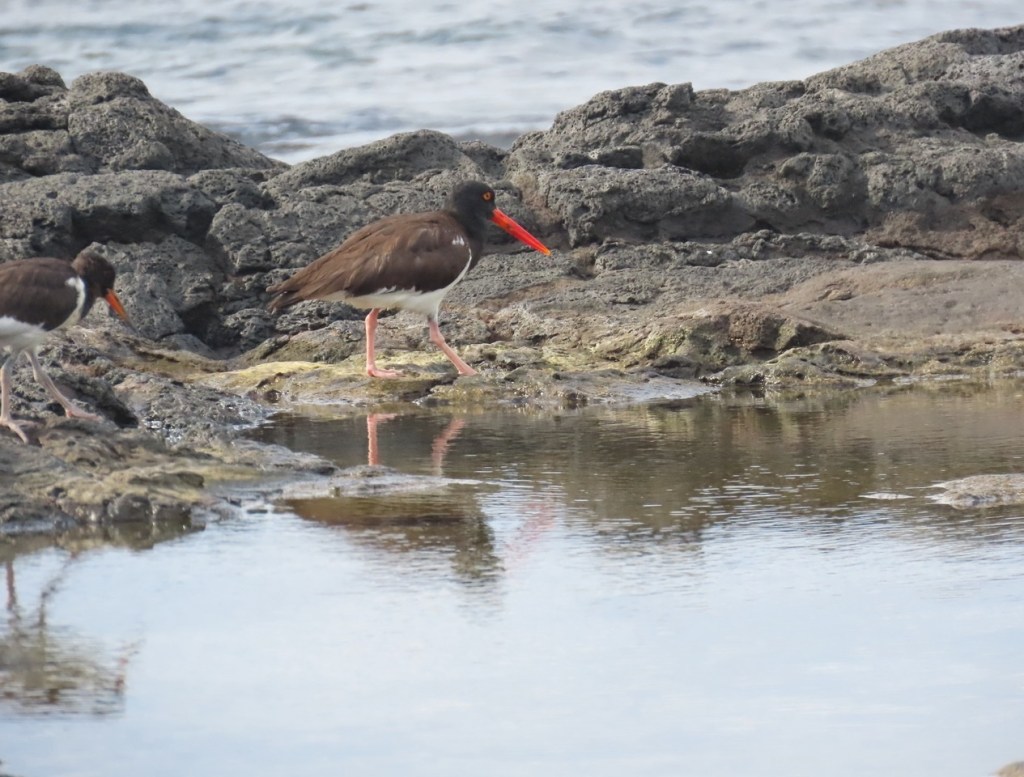
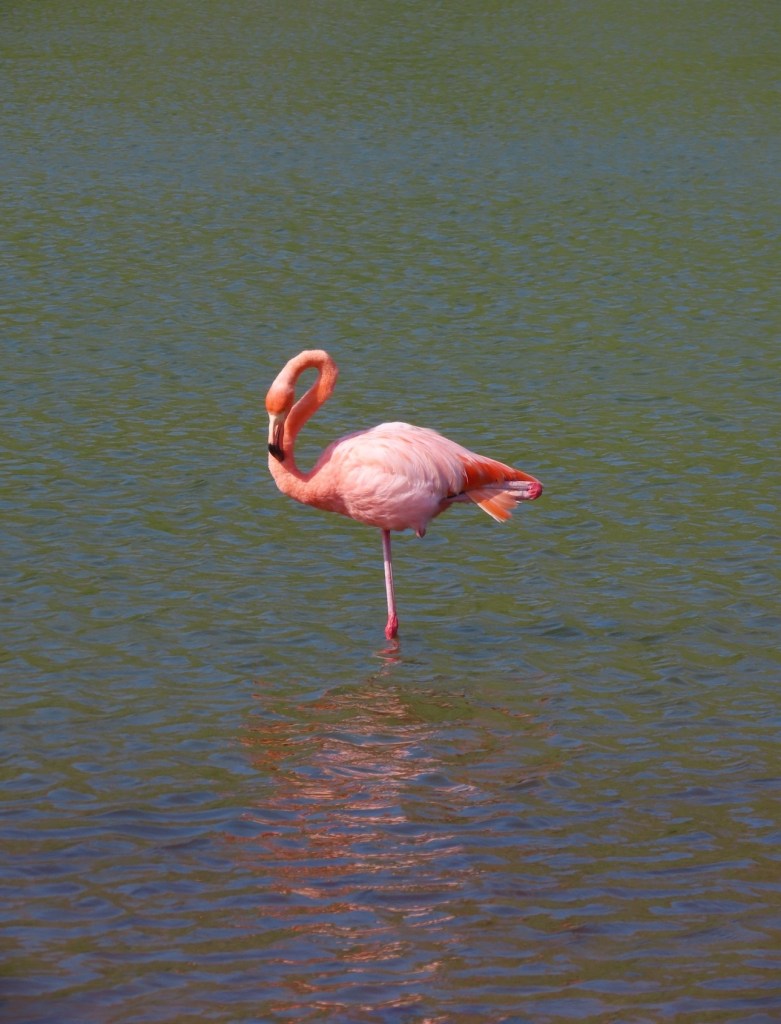


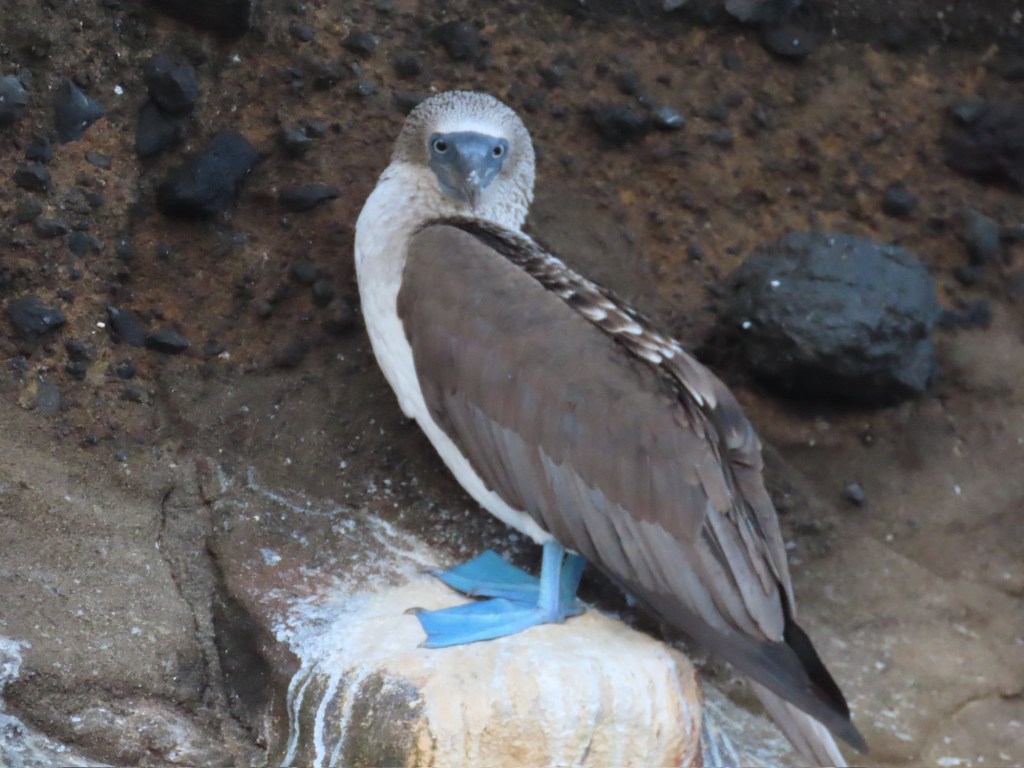
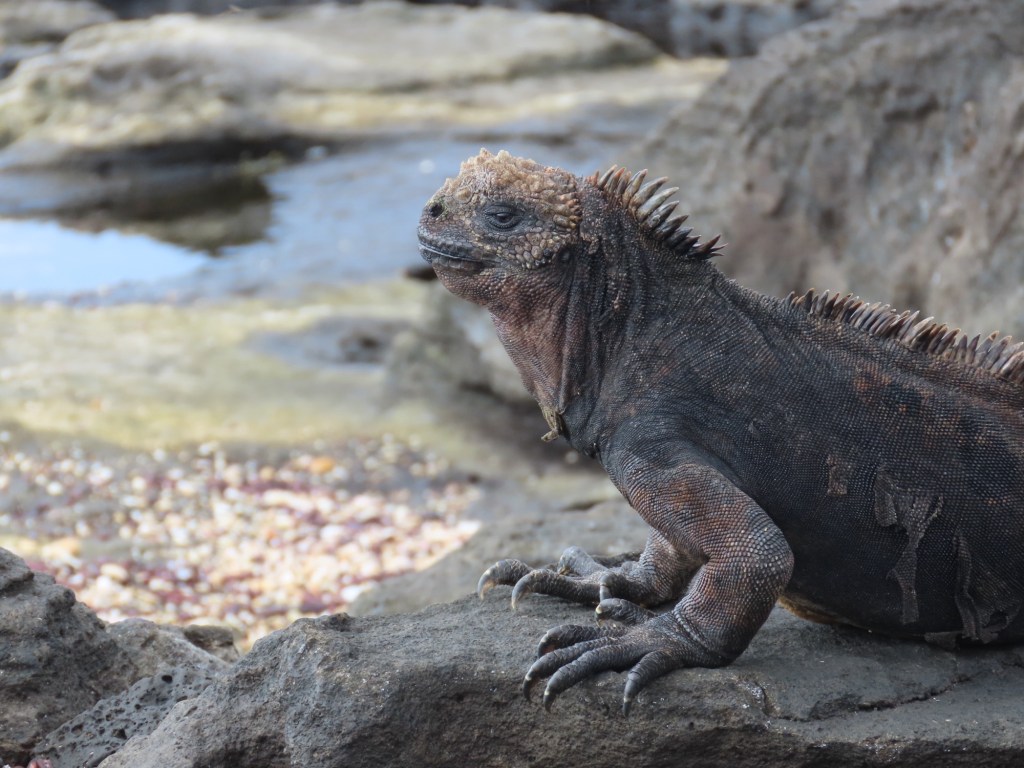

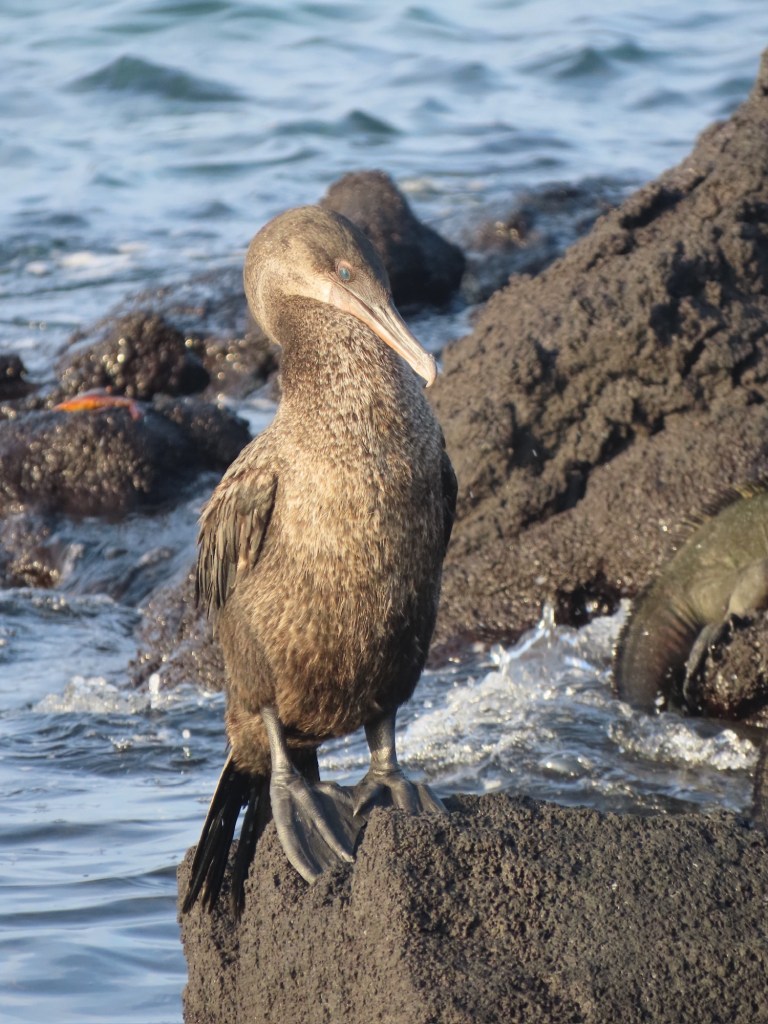
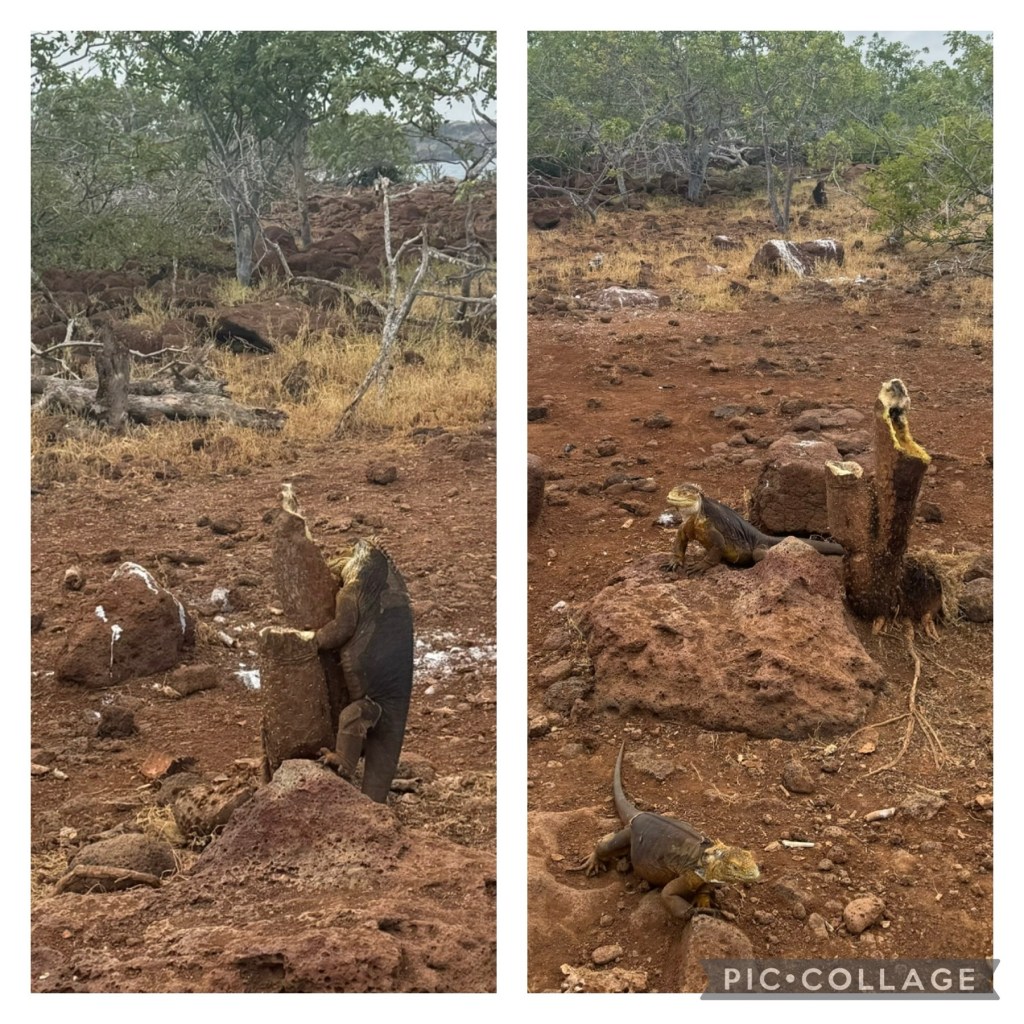
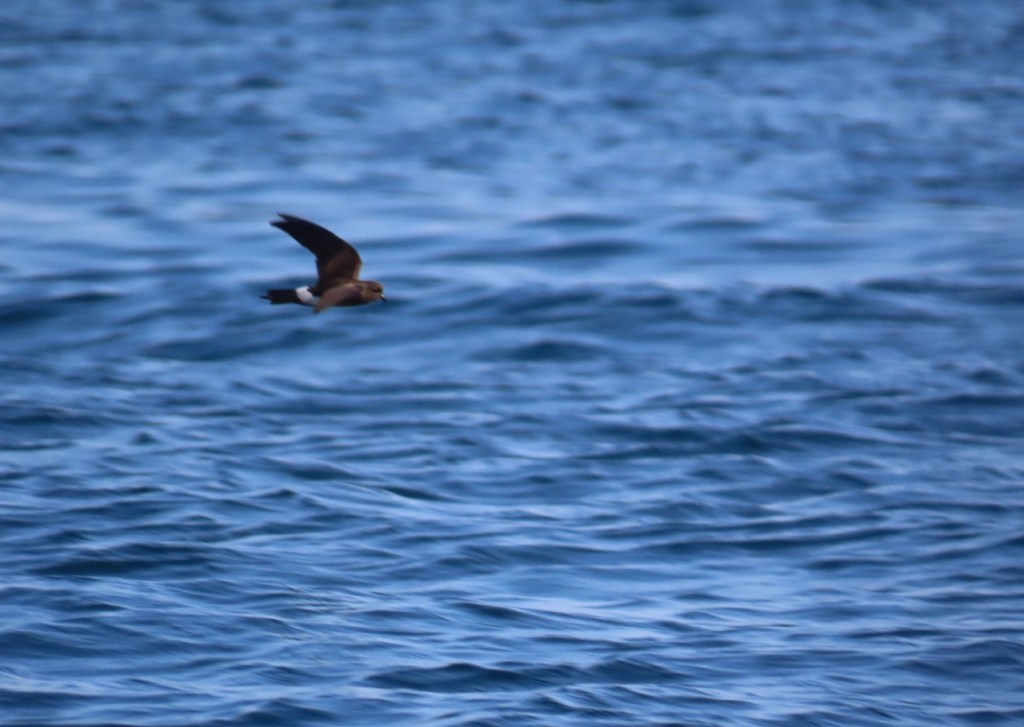

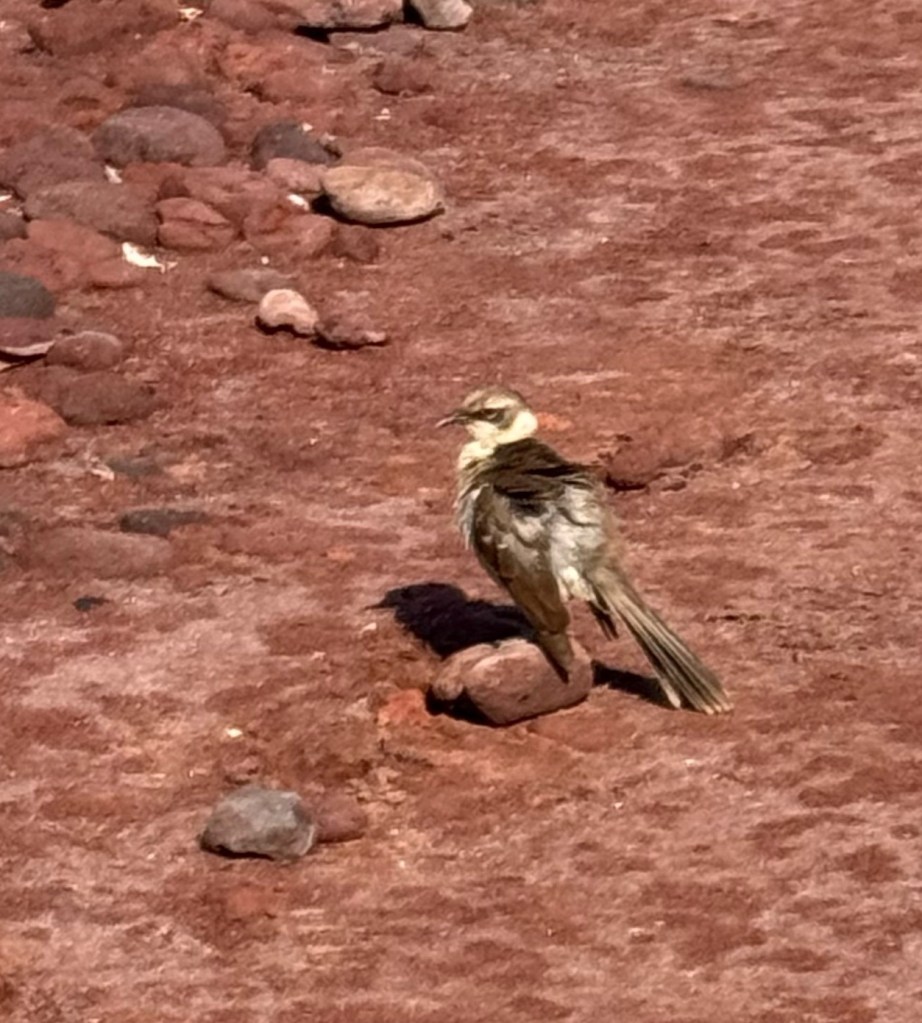
We did not find all these treasures on our own. We had local trained guides and very adept Zodiac drivers. In fact, to be able to work in the Galápagos you have to be from the islands specifically. They fill in with people from the mainland of Ecuador, but only with a work visa valid for five years. After their time is up, they must go back to the mainland for five years after which they can reapply for their final five-year visa.
There are three islands in the Galápagos with living communities which have a combined population of 25,000. Our last full day in the Galápagos was spent on Santa Cruz Island. The Charles Darwin Research Station and the El Chato Tortoise Reserve were the highlights, although the island had great restaurants and shops, too.
As we walked along the streets of Puerto Ayora to the research station and museum, I noticed tsunami signs marking which way to go and how far you were from the coast. Those same tectonic plates which create the volcanos and thus the islands of the Galápagos archipelago, can also cause earthquakes which in turn can create tsunamis. It was a learning event for me. Imaging living under a constant threat of a possible tsunami. At least on the gulf coast of Texas we get several days and sometimes up to a week of warning of an impending hurricane.
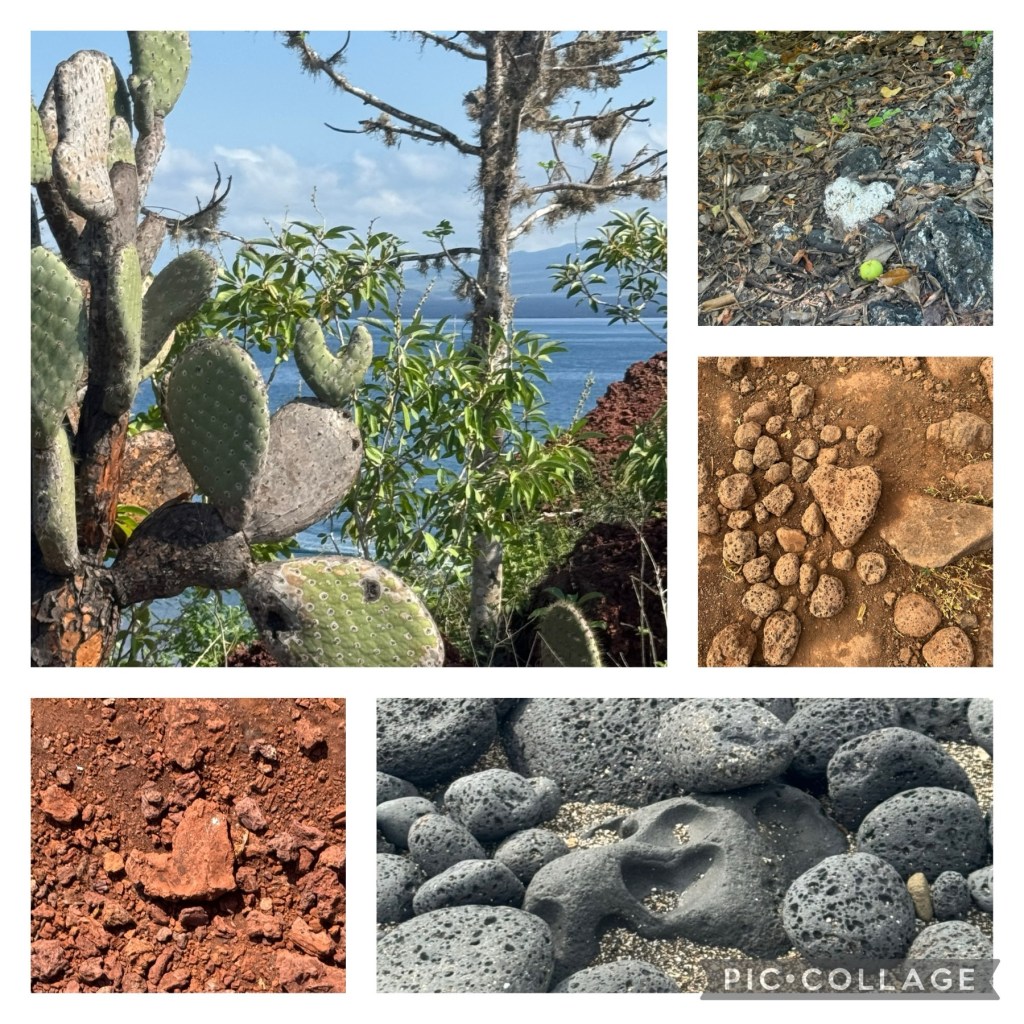
I enjoyed learning about Charles Darwin, the Galápagos Islands and their early explorers. My family, fellow cruisers, ecological guides, cruise ship staff and the people of the Galapagos, in general, were all simply amazing. I learned more than I ever would have imagined and saw so much more than I thought I would. The thing that surprised me the most, though, was the varied topography of the different islands. Some had red sand, some black sand, and others no sand – just a rocky cliff. Black lava flows were evident on some. But all had evidence of love ❤️
 New City New State
Awesome pics! Can’t believe all the wildlife you saw!
LikeLiked by 1 person
I couldn’t believe it either! So cool!
LikeLike
Fabulous. May I ask what dates you were there? I’d like to go but am undecided about when.
LikeLike
Thanks! We went in April.
LikeLike