The only thing my friend Julia and I planned prior to my visit to Phoenix was a behind-the-scenes tour of Frank Lloyd Wright’s Taliesin West. I’ve visited her periodically since she moved to Phoenix in 1991 but have not done many touristy things. We usually go hiking and frequent the botanical garden. This visit would be different. We planned a couple of other excursions over coffee our first morning. I suggested the Japanese Friendship Garden because it had popped up on a few different websites. She wasn’t too optimistic about that activity. It had been a while since she had visited, had meh feelings about it and wasn’t too eager to go back. But, thank goodness, she was willing to give it another try.
We arrived at the garden a little after 11am and noticed a guided tour in progress. Julia was clever enough to ask if we could join that group. Soon after, we were listening to detailed information about the purposefully constructed garden.
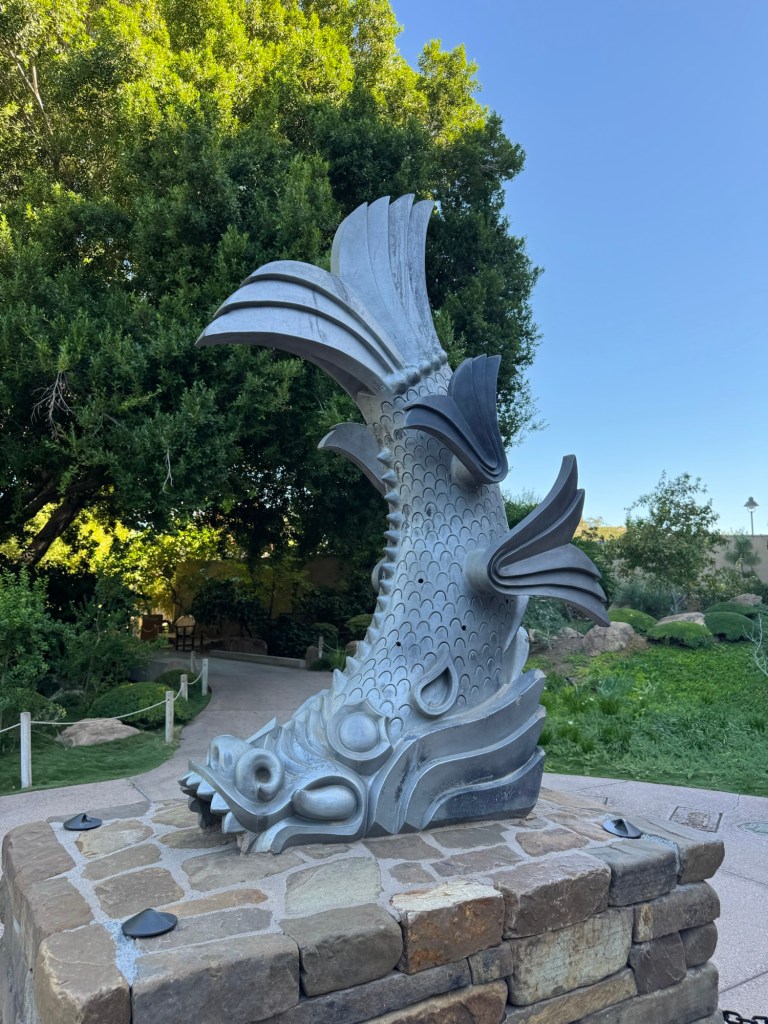

“…the entirety of the garden is never visible at once. Instead, the viewer is led to uncover intentionally hidden sights and sounds of the landscape while strolling along its curved paths.”

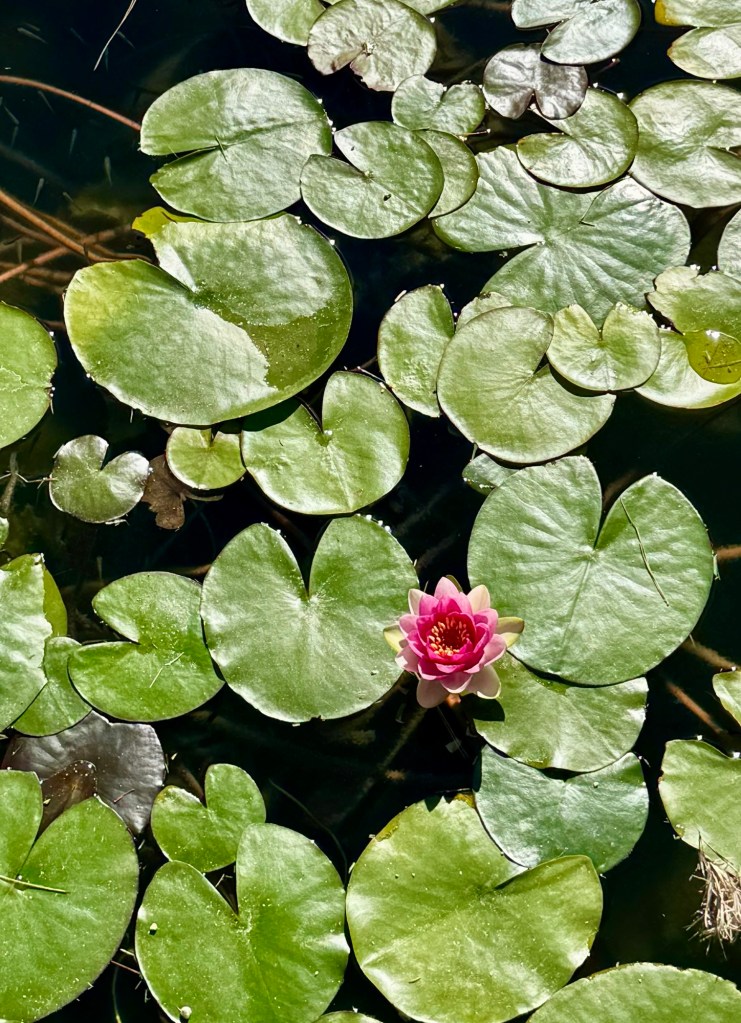
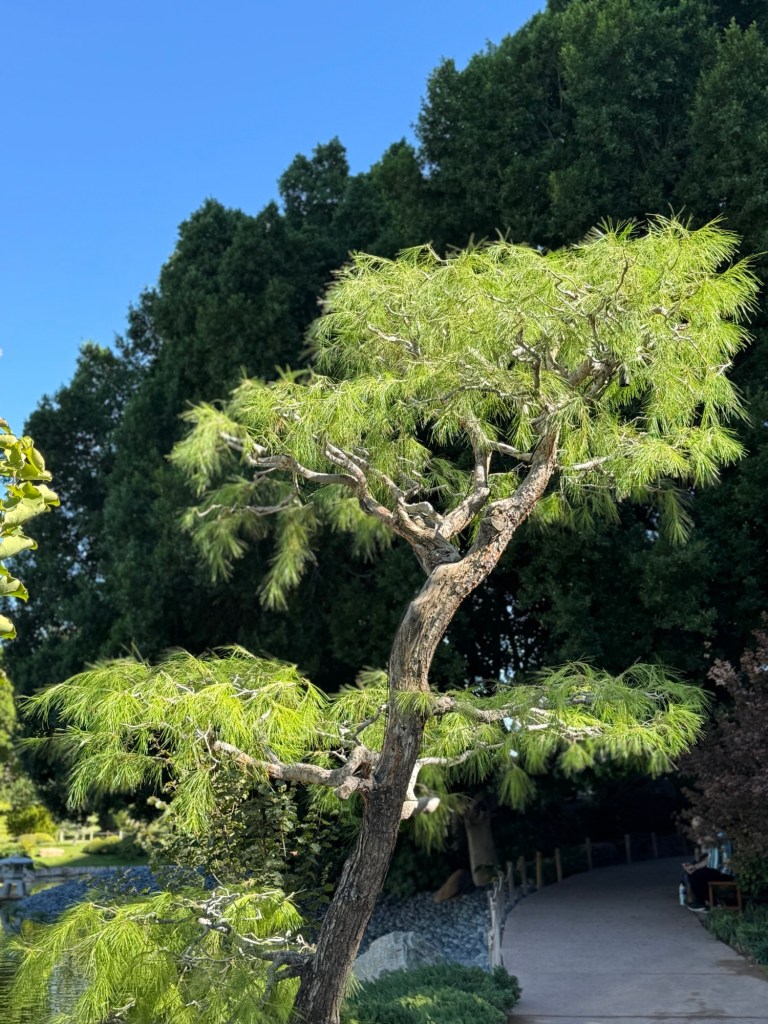
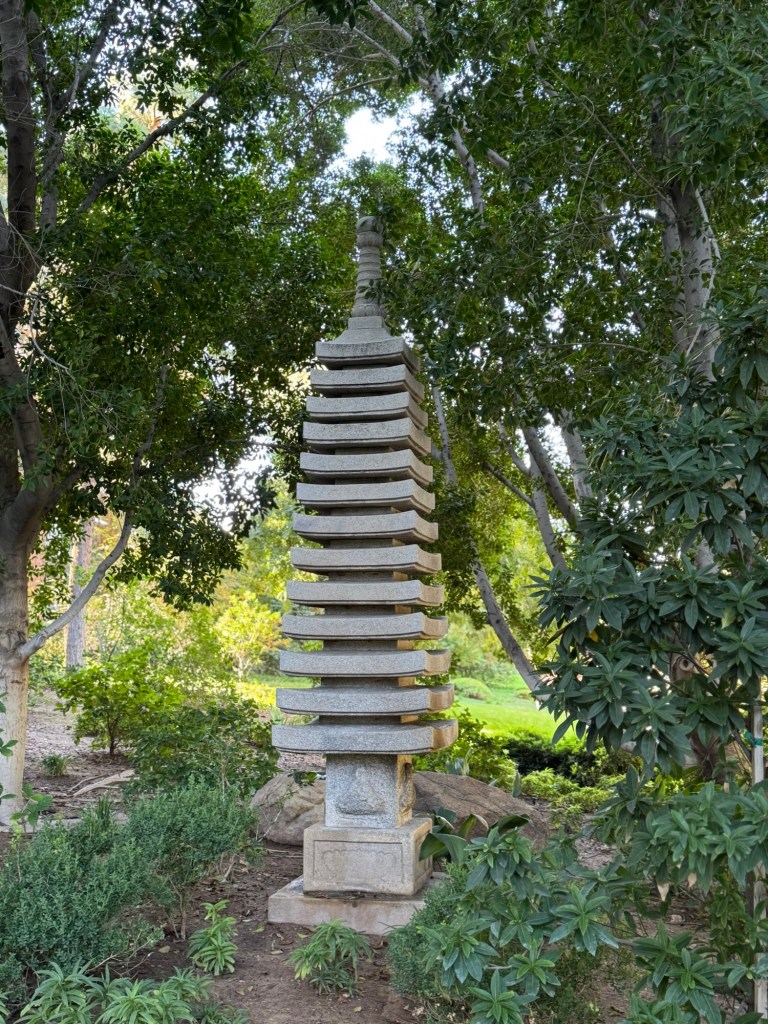


Now that you know the details of the Phoenix Friendship Garden, here is some of its background. Phoenix and Himeji, Japan became sister cities in 1976. Almost a decade later, the a Japanese style garden in Phoenix was proposed by Himeji Mayor Matsuji Totani. After another decade of planning and construction by landscape architects and craftsmen from Himeji, the first phase of the garden was complete. The garden, named Rohoen, was fully opened in 2002.
The name “Ro Ho En” itself is meaningful: Ro (鷺) = heron, a symbol of Himeji City and its Castle – the UNESCO World Heritage site I mentioned earlier, Ho (鳳) = phoenix (the mythical bird) representing Phoenix, and En (園) = garden in Japanese. I’m hopeful you’re able to see Rohoen and hear about all of its symbolic beauty one day.
 New City New State